
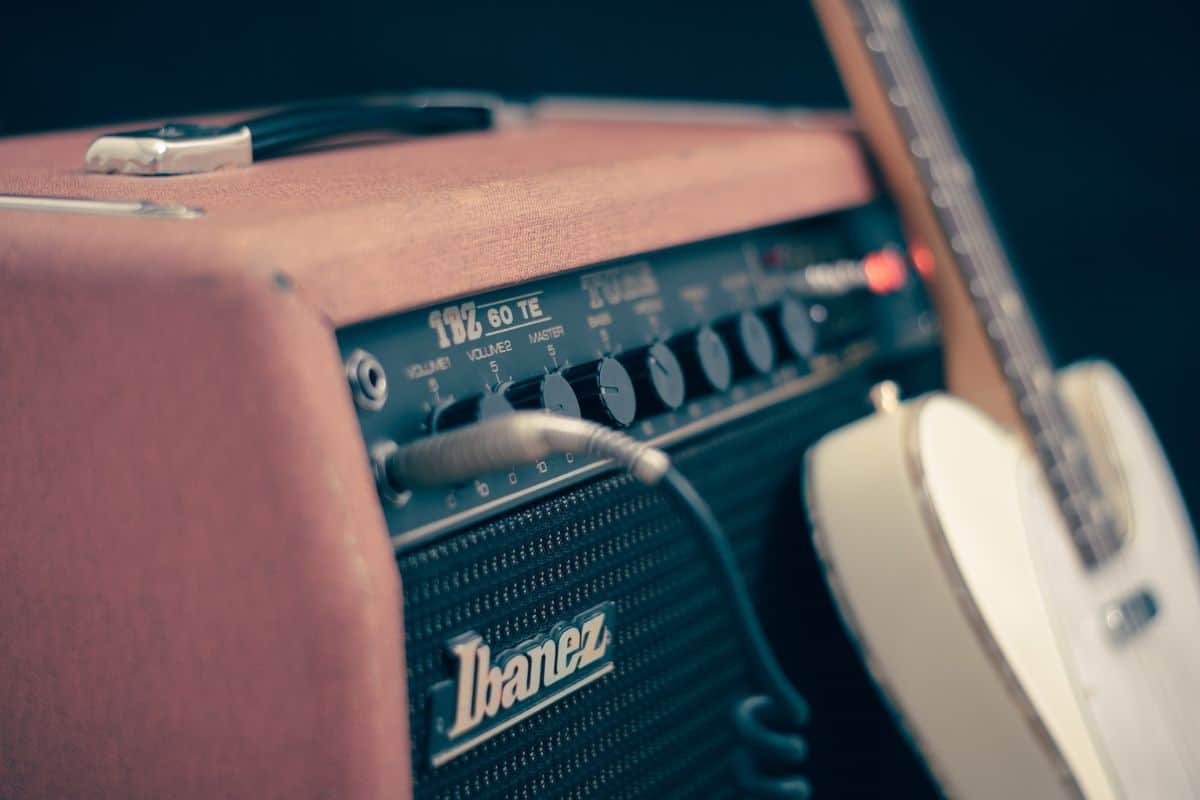
Have you been setting up your guitar rig, but aren’t quite sure how to use a guitar amp? If so, then do not worry because you will get to know all about it here.
Using a guitar amp involves taking the audio signal from the guitar and increasing or amplifying the input to make it louder.
In this article, you will get to know all about guitar amps, what is a guitar amp, how to use a guitar amp, how to set up a guitar amp to get clean tones, and more. Continue reading to know all the answers.
What is a guitar amp?
A guitar amp will take the audio signal and increase/amplify the input to make it louder with minimal distortion. An amp is essentially the device that changes the signal, but it includes a speaker to play the louder sound. Different types of amps like tube amps and solid-state amps differ in the quality of sound, loudness, and distortion.
When choosing a guitar amp, ensure that you consider volume, portability, flexibility, and how it sounds with your guitar. You should bring your guitar to the store for testing them on every possible setting. Listen for clean amplification, equalizer, or EQ, and the balanced sound between the bass and treble. Moreover, look for the option for sound effects like delay, reverb, or echo. You’ll be able to use it for solo practice sessions, jamming with other instruments, and for musical performances.
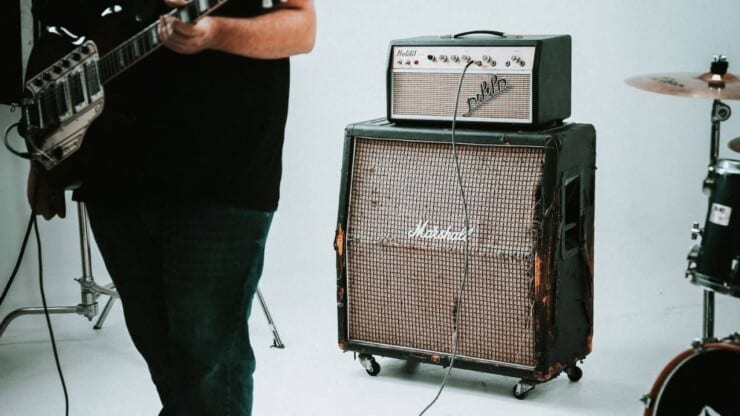
Guitar amps could be purchased with the power amp “head” alongside the speaker. Usually, they’re sold together as a combo. The cabinet affects the sound, depending on the size, type of wood, and whether the back is open or closed. For instance, using a closed-back cabinet will increase bass. If you know what you’re looking for, you can build your own combo guitar amp.
Best features of a guitar amp
Despite how they might appear, amplifiers are actually simple. The technology used in tube amps has been used for more than a century. It is capable of producing wonderful sound without a tonne of extra functionality. Fender’s Pro Junior Series, for instance, features only volume and tone control. However, it has been a key part of Fender’s line-up since its introduction in 1993.
That isn’t to say all amps are simple, though. Most amps actually include some sort of tone stack. This allows the user to accentuate the bass, treble, and middle of their tone. Often, you will find reverb, either physically in the form or digitally modeled.
Tube amp users should pay attention to the number and type of tubes used for creating the tone. Certain tubes will sit naturally with certain kinds of tones. For instance, it includes the EL84s used in the Orange Amps models. Meanwhile, the number of 12AX7 preamp valves dictates how much of the creamy gain you can layer up. Away from the sound, you’ll see features like output switches and recording outputs. This will allow you to get a louder amp and effects loops.
How to use a guitar amp?
Knowing how to turn on a guitar amp isn’t enough, you must know how to set up an amp for a guitar. Here are simple step-by-step instructions on how to use an electric guitar amp.
Step 1: Connect the guitar and the amp
The first thing that you’ll have to do is use the instrument cable for connecting your electric guitar to your amp. Run the cable from the output of your guitar to the input of your amp. Then, you should be plugging in the amp’s power cord and turn it on. If it’s a tube amp, be patient, as it could take a while to warm up and become audible. Meanwhile, solid-state amps will warm up right away.
Step 2: Set the volume levels
Most guitar amps come with two volume controls that could be labeled differently. In most cases, you’ll have at least these two –
- Volume or Gain – For controlling preamp volume
- Volume or Master – For controlling the power amp volume
Volume at the preamp level is referred to as “gain” as it’ll increase distortion without increasing the amp’s overall volume. This means that you should set the gain level first and then set the output or power amp volume. Set the gain to the desired spot. If you have multiple channels, you’ll need to set the gain/volume for each channel. Once you’re satisfied with how you have the preamp level, set the overall output with the volume knob.

Step 3: Set the three-band EQ
Most amps come with three different mechanisms for controlling sound or tone. The short way of saving this is through “EQ”, which is short for equalizer. The three most common EQ controls are bass, treble, and midrange. These will control the low, middle, and high-frequency ranges of the sound respectively. You should take time to experiment with the controls and get the desired tone. While there is no right or wrong setting for the amp’s EQ, there are conventions that depend on the style of music you’re playing.
Step 4: Set the reverb and additional controls
Amplifiers could have additional controls, even effects like tremolo or reverb. These can be set according to your liking or left entirely off. Other controls you might notice will be the presence, multiple midrange knobs, or channel switching options. These depend on which amp you’re having, although none are needed for what’s considered the core of your amp’s functionality. If the amp has them, experiment with the sounds they’re creating until you’ve got something you like.
Step 5: Add pedals if you’ve got them
If you’re looking to add guitar pedals, you can use additional instrument cables. It’ll let you add them into the signal chain before the amp.
Step 6: Ready to play the guitar
As you’re playing, you can tweak the volume and EQ settings on the amp according to your liking. You can even add effects as you’re going along and developing your playing style.
However, these are long-term processes that you don’t actually have to iron out right away. For now, the previous steps are more than enough to help you figure out how to use a guitar amp.
How to use an electric guitar amp to get a clean tone?
To make the best use of a guitar amp, you’ll need to do the most basic thing that can be done with a guitar amp – getting a clean tone. This will be a decent starting point. It’ll help you be comfortable with how the EQ, gain, and volume controls contribute to the overall tone. It’ll also emphasize the overall importance of the pickup selection.
Select the clean channel or turn the gain down if you’re not having multiple channels
Many modern amps come with multiple channels, so choosing a clean channel to help you get started. In case your amp has multiple clean channels (e.g. digital modeling amps with different clean options), pick one for now.
Turn off the amp effects and any effect pedals
At this point, you should be looking for a clean and dry sound without any effects. Turn off any compressors, delay, boosters, reverb, or other effects that might be on. When you’re playing the guitar, it should sound dry without hints of effects or any grit or distortion.
This is important as it’ll get you thinking about the underlying tone before applying any effects. Often, people start with effects (e.g. delay) and it distracts them from setting up a good clean tone. Start by having everything else off.
On many digital amps, the clean setting might be preset with effects built-in. Even if you have an option for clean, double-check for ensuring all the effects are turned off.
Bring the bass, treble, and mid-knobs to 12 o’clock
All amps aren’t the same, but with most amps, there will be a neutral setting for EQ. Using it as your starting point gives you a decent feel for the amp’s natural tone before you begin tweaking.
You should start with the EQ as flat as possible, as it’ll allow you to get a great feel for the natural sound of your amp. You can always tweak your EQ later on. Even if you’re not liking what you’re hearing now, it’ll be great to get a basic starting point.
Keep the gain low while adjusting the volume to a sustainable level
With certain amps, if you roll the gain knob to zero, it’ll cut the signal. You should keep the gain low enough that you can still hear the guitar. Then, adjust the volume up or down for bringing it to a comfortable level. When you’re hitting a chord hard, you shouldn’t hear any kind of distortion at all. It must die down naturally. If you are hearing a bit of grit or breakup in the tone, back the gain off.
It’s likely that you won’t like the sound of an extremely dry amp but you shouldn’t worry. This is merely to give you a baseline. You’ll always be able to roll the gain back in for finding the tone that you’re after.
Jam for a bit to get a feel for the tone
Spend a couple of minutes jamming the sound before you change to a different pickup. Spend a minute or two on each pickup combination to get a better feel for how each pickup is sounding. You shouldn’t worry even if the tone sound is bad, as you’ll be able to tweak it again to your liking.
Think about what you like and dislike about the tone
This will be an important step, so you shouldn’t skip ahead and start making adjustments yet. Critically, Learning to think about your tone before making adjustments is how you’ll get a great tone at the end. Randomly tweaking the knobs or adding in stompboxes will not teach you how to control your tone.
At first, it’ll be hard to describe what you’re liking and disliking about the tone. Here are a few basic examples of what you may be thinking –
- It’s sounding too muddy
- It sounds hollow and thin
- You’re getting a twangy sound
- It’s producing a weird boomy sound when playing chords
Over time, you’ll have the opportunity to get more specific about what you’re liking and disliking about the time. This is why you need to spend a few minutes and try to get a proper feel for the tone.
Make small adjustments to resolve any problems you’re hearing
The previous step is incredibly important, as you’ll have to first know what you don’t enjoy about the tone. This will help you know what changes you need to make. Tweaking the knobs without a specific goal won’t help you get a great tone.
At first, you might not know how to resolve a problem such that it sounds thin and hollow. However, this experimenting stage teaches you how each knob is affecting the tone. While you’ll want to know a recipe to resolve the possible problems, but it’s more about trying it our yourself. This will be a trial and error method where you’ll try to make small adjustments and check for the right tone.
Go through each setting, one setting at a time, and figure out which setting helps in solving the problem. There isn’t a rulebook that’ll give you perfect solutions for any problems. This is why this entire process is essential to learn.
Once you’ve learned to solve the issues and problems you’re hearing in the tone, you can always shift your focus to other things that don’t sound quite right. The key lesson here is that the only way you will end up with a great tone if you are taking the time to learn how the different knobs are impacting the overall tone.
Add the effects that you want after you’re happy with the tone
Only after tweaking your way to a tone that you’re happy with, consider adding any other effects into the mix. The reason is you’ll want the other pedals to enhance the tone instead of trying and fixing a bad tone. Many people get this the wrong way around and buy pedals to fix a bad tone.
Do not buy more gear because you aren’t happy with the tone. Get the clean tone into a good position. Then, you should look at how the other pedals could enhance the tone. When you add in any effects, start off with the mix of the effect low. Then, slowly raise it until you’ve found the right level. It may sound great to crank the effect up. In most situations, having the effect slightly lower in the mix will end up with better results.
Try to come up with different types of clean tones
Listen to different songs or guitarists using clean tones, and you’ll hear a wide range of different sounds. Some guitarists prefer a rich tone full of sustain to the point where it’ll sound like overdrive. Others prefer a glassy-like tone, while some want a bit of grit in their clean tone for giving some edge.
Experiment with the clean tone for getting a feel for the overall range that your amp has to offer. The more distinct clean tones that you’re able to produce with the amp, the more options you’ll have later on. Ultimately, this will be well worth the time you have spent experimenting. Here are some examples of songs with clean tones that you may want to try and replicate.
- Sweet Home Alabama by Lynyrd Skynyrd (features a twangy clean sound, so ensure you consider the pickups)
- One by Metallica (you should listen to the difference in the tone between the rhythm and lead tones in the intro and look to replicate both)
- Purple Rain by Prince (first you should replicate the silky clean tone before adding any effects)
- Little Wing by Stevie Ray Vaughan (you should carefully listen to the slight grit in the tone when it is picked hard. Moreover, you should listen to the Hendrix version to get a different tone.)
The more different clean tones you can produce, the more flexibility you will have when writing the music or looking to replicate someone else’s tone. You should listen for any clean guitar sound and look to replicate it with your own amp.
Conclusion
Thank you for reading. Hopefully, now you know a lot more about guitar amps, what is a guitar amp, how to use a guitar amp, how to set up a guitar amp to get clean tones, and more. A guitar amp will involve taking the audio signal from the guitar and increasing/amplifying the input to make it louder with minimal distortion. Using a guitar amp involves connecting the guitar to the amp, setting the volume levels, setting the three-band EQ, then setting the reverb and other controls, then adding any remaining pedals.