
Have you just learned to operate a tube amp, but you’re struggling to understand the technicality of a standby switch? If yes, don’t worry because all your doubts about standby switches are about to be resolved.
Standby switch for tube amps allows the amp to be turned on while preventing the power of the voltage from reaching the power tubes until the amp has had sufficient time to warm up. The standby switch is what protects the tubes and prolongs the amp’s life.
In this article, you’ll get to know all about standby switches, what is the standby switch for on a tube amp, how long can you leave a tube amp on, how to use standby switch on tube amps, and more. Stick around to know all the answers that you’re looking for.
What is a tube amp?
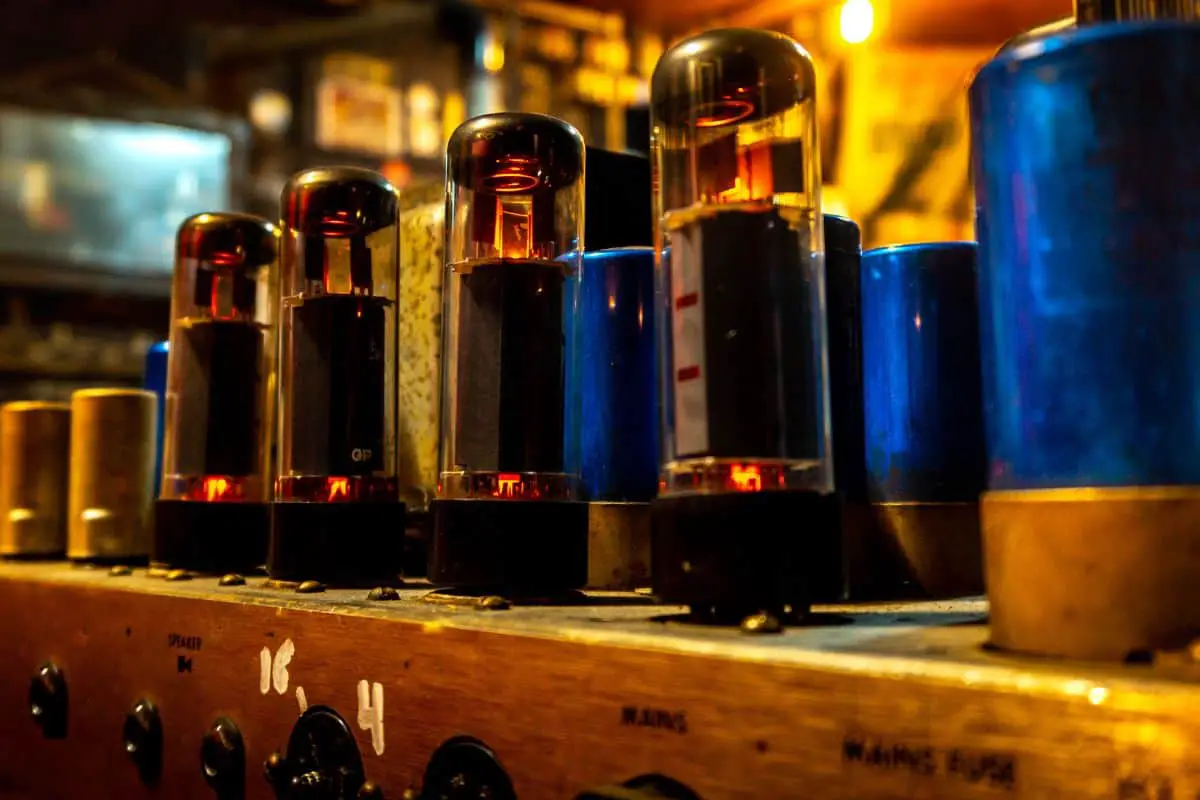
Before learning about what is the standby switch for on a tube amp or how long can you leave a tube amp on standby, it’ll be important to understand what is a tube amp. Tube amps or also known as valve amps are basically electronic amplifiers that implement vacuum tubes in the circuitry. This allows them to increase the power and increase amplitude of the signal. They had a much wider use before they found their safe place in the hearts of guitarists and recording artists.
Interestingly, this is often seen as outdated technology. This is believed to be the case, as its origins go back to the start of the 20th century. Diodes and triodes, which are basically valves, are small amplifiers of sorts. These small amplifiers increase the amplitude of the original signal that is fed into it. Whether you play the electric guitar or bass, you’ll be using a tube amp. The vibration of the strings gets converted to an electrical signal thanks to the magnetic pickups. It then gets processed through an amplifier and its tubes.
>>> Click here to read our review about the Top 15 Best Tube Amps <<<
One of the most desirable things about a tube amp is its unique tone and dynamic response. Essentially, this refers to the timber, the tone, and the overall coloration of the sound coming through the amp’s speakers. Additionally, their dynamic responsiveness can change the tone and add a bit of clipping. This organic distortion will come into play when you start hitting the strings harder.
Pros of using a tube amp
- Both the musicians and the audience prefer the tone of tube amps and this is why they’re so popular
- They have a more pronounced dynamic responsiveness, which allows you to add more distortion
- They’re comparatively louder at lower wattage as compared to solid-state counterparts
Cons of using a tube amp
- They’re very delicate and require special maintenance
- They’re much more expensive and not that versatile
- Tube amps are comparatively bulkier and heavier compared to solid-state counterparts
While it might seem like there are more cons than pros, there’s one positive that outweighs all negatives – tube amps sound superb. Regardless of the genre, you’ll find that most guitarists prefer using tube amps over solid-state amps.
What is the standby switch for on a tube amp?
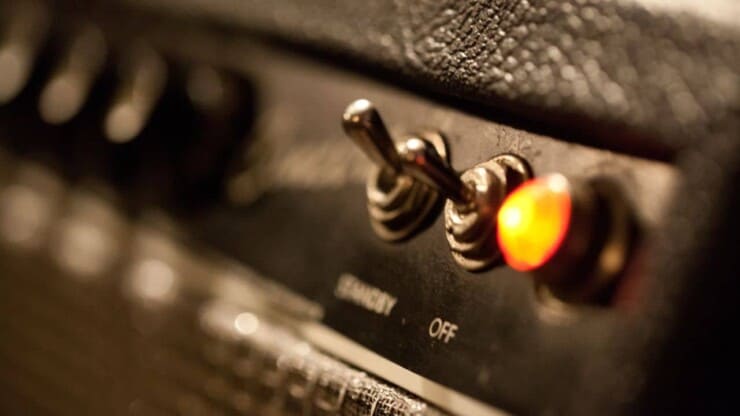
If you have previously or currently own a tube amp, you’d have come across the standby switch. It is normally located near or next to the on/off switch. Your tube amp standby switch will be helpful when trying to silence your amplifier without turning it off. Moreover, it has another important function behind it – to protect the tubes.
With the huge leaps in technology in the last few decades, it’ll be hard to believe that technology as old as tubes isn’t just around, but is often preferred. When you think about it, they’re actually pretty archaic, especially compared to today’s technology. Regardless of how you slice it, you simply cannot beat the sound of a classic tube amp. In fact, electric guitar amplification is one of the few areas where this technology thrives. The basics of tube operation haven’t really changed much, including warming up the amp.
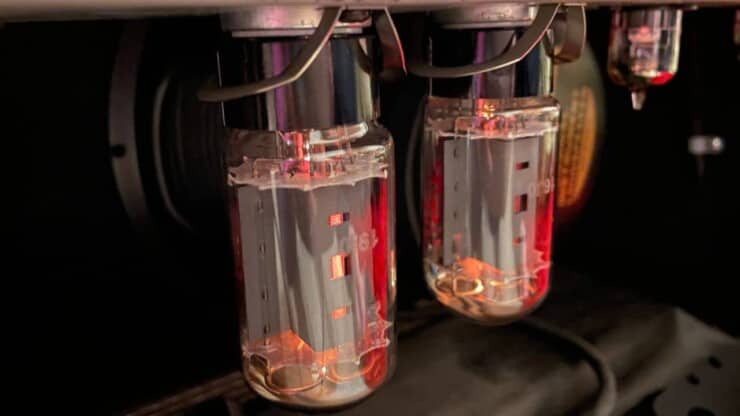
Similar to old TV sets, radios, and room-sized ENIAC computer of 1946 (which made use of 17,468 vacuum tubes), tube amps need a couple of minutes to warm up after turning them on. Without delving too deep into the technical stuff, suffice to say that tubes must be warmed up to work properly. In fact, they need to be really hot, like glowing hot, before you’re able to make electricity flow through them. Naturally, it’ll take some time for the tubes to reach their proper operating temperature. You cannot just turn on the tube amp and immediately crank it to full before the tubes have warmed up. Otherwise, you’ll risk damaging your guitar amp.
This is where the true functionality of the standby switch will come in. It’ll allow the tube amp to be turned on, but it’ll keep the full power of the voltage from reaching the power tubes until they’ve warmed up sufficiently. This will protect the tubes while prolonging the life of your amp.
You’ll notice that the switch itself isn’t usually labeled on or off. Instead, it is just on/standby. When you turn on your amp, you’ll want to switch to be on the standby position. In this position, no sound will get produced while the tubes are warming up. Then, from 15 seconds to a few minutes after powering up, flip the standby switch to the “on” position. You’ll be ready to go to whatever volume you want.
At a gig or rehearsal, a good practice would be to first turn on your tube amp in standby mode. Then, you can go about setting your gear, adjusting pedals, tuning up, running cords, washing your hands, and more. This usually takes up to a couple of minutes, after which you’ll be able to flip the standby switch to on.
How long can you leave a tube amp on?
It should come as no secret that tube amps are often the go-to choice for most guitarists out there. But at the same time, everyone knows how delicate tube amps can be when compared to solid-state amps. Even more so when you compare them to modern-day digital amp modeling devices. One of the most common questions surrounding a tube amp is “how long can you leave a tube amp on”. Even though it’s a simple question, there is more to know than you think. You should remember that the longer the tube amps are on, the higher will be the risk of things going bad.
Moreover, the repair for tube amps doesn’t come cheap. This is why you’ll need to use the standby feature if you’re going to play longer sessions. Then, completely turn off the amps once you’re finished playing.
Tube amps are designed to be switched on for long durations of time. Many manufacturers recommend that your recording sessions shouldn’t exceed 6-8 hours of consecutive playing. After that, you should give your amp a cool-down period of 45-60 minutes. You should always remember that these tubes have a limited lifespan, so use that time strategically.
What does a standby switch do?
Most longtime tube amp owners will be familiar with operating the standby switch and power switches. However, this entire process could be confusing for new guitarists, especially how to use the standby switch on tube amp. Solid-state amps come with a power switch to turn the amp on and off. But all of a sudden, another switch gets added beside it on your tube amp. Fortunately, the purpose of a standby switch is fairly straightforward yet essential. In fact, it is so essential that the majority of tube amps come with a standby switch.
Unlike solid-state amps, tube amps generally need a bit of time to warm up. If they don’t warm up, they won’t be able to provide you with the rocking tones that you expect. In fact, the tubes in the tube amp operate best when they’re hot. It’ll be similar to stretching and warming up as you ready your muscles before you head out for a run. Therefore, if you turn your amp on, crank it up, and begin playing at full volume before letting it warm up, you’ll be risking damage to your tube amp. This is similar to how you’d risk injury if you started sprinting without warming up, stretching, or jogging first.
This is when the tube amp standby switch comes into the picture and saves the day. By turning on your tube amp in standby mode, you’ll be reducing the wear and tear on your amp. Moreover, you’ll also be extending the lifespan of your tube amp. Once the switch is set to standby, you’re basically telling the amp to not send the full available voltage to the tubes immediately. Instead, it’ll allow just enough voltage to get them warmed up.
A great practice to get into the habit of would be turning your amp on standby mode before practice sessions. In fact, you should put the amp on standby mode as soon as you enter the rehearsal area. This will give your tube amp enough time to warm up while you’re setting up the pedals, tuning the guitar, or socializing. Ideally, you’ll want your amp to be on standby mode for a couple of minutes before you start playing.
Another important function of the standby switch will be to mute your amp without turning it off. If you’re taking a break during a session or between sets, you can go ahead and set it to standby. This will prevent you from needing to turn the amp off and then turn it on again and warm up the tubes all over again. One of the most common complaints about owning a tube amp is the amount of maintenance needed by the tubes. Moreover, there is also the issue of the increased weight. However, using your tube amp’s standby mode will go a long way and keep the tone sounding sweet for years to come.
Is it normal for the tubes in the tube amp to get hot?
In short, yes, tubes do get hot when the tube amp is being used. In fact, it is completely normal for the tubes in a tube-driven guitar amp to become hot after a while. The same can be said for any other device that features tubes. Interestingly, guitar amps are the only mass-produced products that make use of this technology.
The tubes in the tube amps come with metal components inside them, which transfer the electronic signal. It’s only obvious that after a while they’ll get so hot that you won’t be able to touch them. While some might think that the tubes can overheat, that isn’t something that you need to be worried about. Some people even suggest that using a cooling fan would be a good idea. However, the reality is that the tubes have to reach a certain temperature to work properly.
By reaching that temperature, they’ll be able to achieve their full potential and your amp will get the desired tone. In fact, you’ll always have to wait for a couple of minutes after turning on the amp. This will give the tubes the opportunity to heat up to the desired temperature.
However, there are some issues with overheating, but they’re far from a common occurrence. Of course, every guitar amp will have its own safety mechanism, including fuses and other components. These will be the first ones to go off, which leaves the amp’s main components safe. There isn’t any need to worry about this issue, especially with the modern-day tube amps. The modern ones are usually done really well.
How long can you leave tube amp on standby?
Now, there’s the all-important question – how long can you leave tube amp on standby. The answer to that is that there is no definite answer. The main issue is that not all tube amps are the same. Additionally, you’ll also need to consider whether the amp is still being played or not.
Technically, you can leave your tube amp long enough on standby until some components go bad. For instance, the fuse will go off or tubes will simply go bad. This is why it isn’t recommended that you should leave your amp on for too long on standby mode.
However, how long will be too long? Technically, if your amp is of high quality, and you’re using good tubes, you can leave it for hours and hours on standby. On the other hand, tube amps and tubes do have a maximum running time. The longer you go, the sooner you’ll get to that number, be it 300 hours or 10,000 hours. Therefore, it is advised that you shouldn’t keep your amp on for too long unless you have a reason for it.
Is it dangerous if you leave your amp on standby overnight?
If you’re using a high-quality amp, there isn’t that high chance of damage if you leave your amp on standby for too long. The amp will definitely survive, although you could damage some of its replaceable components in some situations.
On the other hand, it is highly discouraged that you should intentionally leave your amp turned on for too long. Firstly, you wouldn’t want to spend a lot of money purchasing new tubes all the time. Secondly, although very slim, there are chances that you could do further and irreversible damage to your amp.
Is there a recommended maximum time for using a tube amp during a session?
When you’re turning on a tube amp, it’s normally a great idea to not keep turning it off repeatedly. This is where there is a standby switch on your tube amp. It’ll keep the amp warm, but not as active as when you’re pushing the volume up and playing it loud.
A normal session should last around 5-6 hours and not exceed that limit. After that, you should leave the amp on standby mode for a while and let it rest. If you intend to play for hours but taking breaks, turn the maser volume down and flip the standby switch. This way, you won’t have to turn off your amp completely. Then, once you return, just disengage the standby mode and slowly turn up the volume knob to the appropriate volume.
How often should you replace the tubes in the amp?
While there isn’t a specific answer, the tubes in the tube amp can last up to 10,000 hours. However, monitor the tubes in the tube amp regularly and carefully notice the sound to see if anything needs changing. Certain military-grade valves could last longer than that, but you’ll be delving into the delicate tone of tube-driven guitar amps. Even if the tubes are technically working, their age might entirely ruin the tone, making them sound dull.
With that said, it’ll ultimately depend on how often you’re playing the amp, at what volume you’re playing the amp, and how you maintain the amp. A tube amp that’s constantly on the road and gets played for hours will require replacing once every few months. On the other hand, there are tube amps from the 70s having their factory tubes still sounding great. It can be easily achieved if you’re keeping the amps safe and not running them to the ground.
How to keep your tube amp in premium shape?
The worst thing that you can do to a tube amp is turn it on without plugging it into a speaker cabinet. It should go without saying that you should always have the cabinet connected to the tube-driven amp head.
Even some combo amps come with speakers that can be disconnected from the amp. If you’re servicing it, ensure that everything is plugged back in before you’re turning on the amp. Otherwise, you might end up doing irreversible damage to the amp. Additionally, you must never switch the amp on and off rapidly. Once it has been turned on, give it enough time to head up. When you’re turning off the amp, wait for at least 10-15 minutes before you turn it back on.
If you’re looking to replace a burnt-out fuse, you should always use the one with the same amperage. You should never ever try to use a fuse that has a higher amperage. This can easily start a fire.
Conclusion
Thank you for reading. Hopefully, now you know a lot more about standby switches, what is the standby switch for on a tube amp, how long can you leave a tube amp on for, how to use standby switch on tube amps, and more. The standby switch in your tube amp will allow your amp to remain turned on, but not at maximum capacity. It’ll give enough power while preventing the power of the voltage from reaching the power tubes until your amp has had enough time to warm up. This is useful as it protects your amp’s tubes while prolonging the amp’s life.